Information on this page is for customers in
{{ town-name }}
Powering Monarchs Across Their Life Cycle
Providing vital habitat for butterflies while delivering safe, reliable electric service

Why Monarchs Matter to You
Our power line corridors deliver more than electricity. They also provide vital habitat for monarch butterflies — a species the U.S. Fish and Wildlife Service has proposed listing as threatened. Through a voluntary conservation agreement, we manage portions of these corridors to support the plants monarchs need for breeding and migration.
Monarchs are part of a wider network of pollinators that help flowering plants reproduce, supporting ecosystems that provide essentials like food, clean air, purified water and healthy soil.
Unfortunately, monarch populations have been declining across North America due to habitat loss, underscoring the importance of protecting pollinator habitat for healthy, resilient ecosystems and communities.
You can help at home
You don't need a power line to help monarchs, small changes in your home can make a difference:
- Plant native milkweed and nectar-rich flowers to support breeding and migration
- Remove non-native invasive plants
- Provide a source of clean water for pollinators and birds
- Choose pollinator-friendly plants that are also safe to plant near utility lines
How Power Line Corridors Help

To keep our equipment safe and reliable, we create low-growth habitats where grasses, wildflowers and other plants can thrive. These open, sunny conditions support plants like milkweed, goldenrod and wildflowers that create a valuable habitat for monarchs to feed, grow and reproduce:
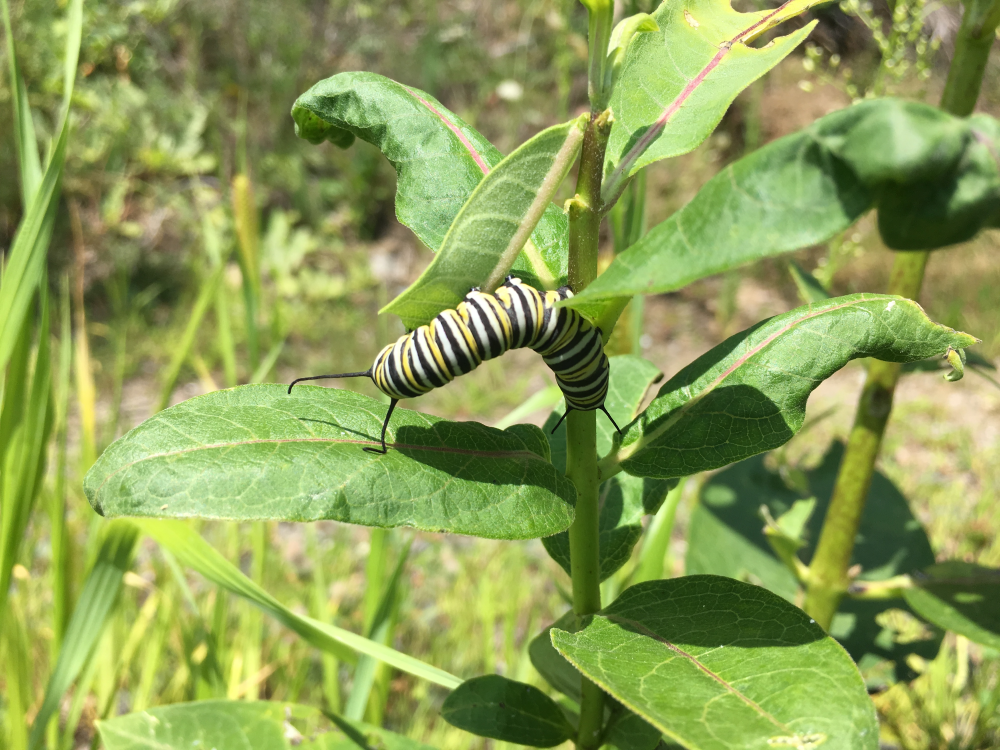
Low-growth habitat
We trim taller trees and woody vegetation in our power line corridors, which allows low-growing grasses, wildflowers and plants to thrive. This habitat supports a wide range of pollinators and wildlife, including bees, butterflies, birds, reptiles, and amphibians.

By managing vegetation to support diverse, low-growing plant communities, power line corridors provide food, shelter, and movement pathways for many species, not just monarchs.
Low-growth habitat is created naturally as we work to keep our electric service safe and reliable, and there is no interference with electric service from these plants.
Our Conservation Actions
We have enrolled more than 70,000 acres of electric transmission and distribution rights-of-way across Connecticut, Massachusetts and New Hampshire in the nationwide Monarch Candidate Conservation Agreement with Assurances.
As part of this commitment, we apply conservation measures aligned with our existing vegetation management practices on portions of our rights-of-way, including:
- Selective brush removal to promote suitable habitat
- Habitat set-asides or idle lands for one or more growing seasons
- Conservation mowing to enhance floral resources during breeding and migration
- Targeted herbicide use following best management practices